

EFPSA Research Programme 2021-2022 Research Projects
We are excited to introduce the Research Teams of the Research Programme 2021 – 2022!
Below you can read the information on the Research Projects:
1) Gabriela Pop – An e-mental health programme targeting anger regulation
Dysregulated anger is associated with both physical and psychological problems. It has also been recognized as a significant predictor of violent behavior which is further related to social and economic problems. It is necessary to investigate the long-term efficiency of specific emotion regulation strategies in reducing anger and to develop tools based on these. Despite little evidence on the long-term effect of reappraisal on anger, there is a negative association between anger and reappraisal according to several correlational studies. However, since the same strategy may not be efficient for everybody anytime, it is important to research alternative emotion regulation strategies (e.g. acceptance). This research project aims to create and test an online program which targets the acquisition and employment of reappraisal and acceptance in order to regulate anger.
Student Researchers: Rodrigo Prats Couto Leitão Costa, Denizsu İrem Koşar, Katarina Maučec, Alexandra-Elena Comănescu, Ailbhe Dempsey & Defne Özer
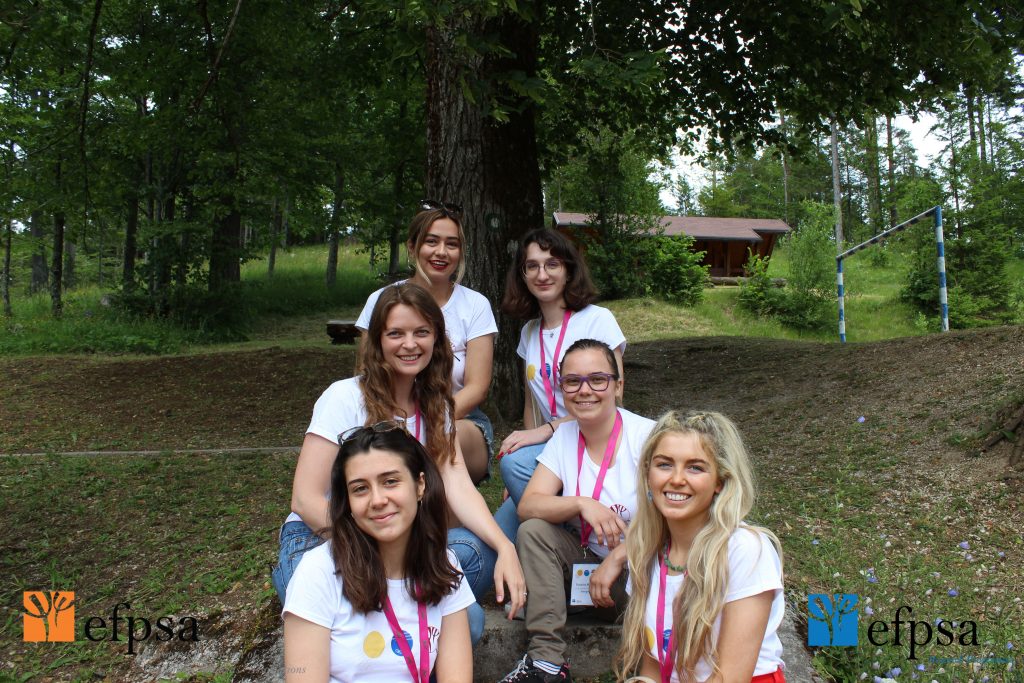
2) Anne Etzelmüller – Investigating the effectiveness of e-Mental Health interventions when implemented in routine care
The research project will investigate e-Mental Health interventions when implemented in routine care and their effectiveness. E-Mental health interventions – digital means of delivering psychotherapy support participants by monitoring their health behaviors, and offering stand-alone self-help interventions, guided or blended interventions – have been shown to be efficacious in randomized-controlled trials. Meanwhile, the implementation of such interventions is lagging behind expectations. The successful integration of interventions into routine health care is interwoven with contextual and implementation-related factors. While recent research suggests that e-mental health interventions can be effective in routine care, less is known about the effectiveness of fully implemented and commercialized e-mental health interventions. The study will investigate the influence on implementation related outcomes and strategies on the uptake and effectiveness of the interventions. Also, the project will investigate if there are guidelines for the reporting of e-Mental Health intervention implementation and if they are consistently used. We will investigate a) if e-Mental Health interventions implemented in routine care are as effective as these interventions have proven to be in research settings, b) if the effectiveness of e-Mental Health interventions in routine care is dependent on the degree of implementation of those interventions and c) if reporting on e-Health interventions when implemented in routine care is used inconsistently and, if so, what we can could do about this fact. By doing so, our project will help foster the implementation of evidence-based e-Mental health solutions.
Student Researchers: Teresa Belda-Aragonés, Emilia Grigorean, Alexandra Symeonidou, Aslıhan Uysak, Daša Gajšek & Ana Kraljević
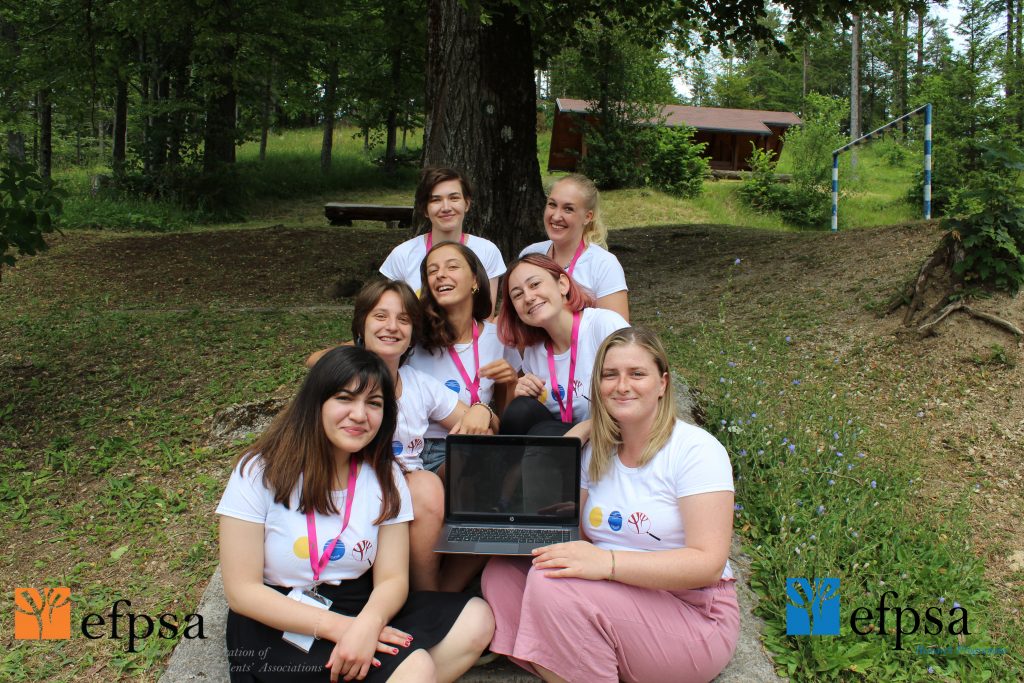
3) Pedro Rafael Altungy Labrador – The Pied Piper of Extremism: who are the children now? The influence of Intolerance of Uncertainty and Need for Cognitive Closure in Extremism
With the economic recession of 2008, there is little doubt that we are going through times of social crisis and polarization. Brexit, Trump ́s presidency or the rise of far-right movements in Europe are just some cases that exemplify how; when social wellbeing is damaged (or even destroyed in some cases); when uncertainty becomes the only certainty that lays ahead the road, some people are lured by simple and short-termed discourses which offer easy solutions. They guarantee certainties, security, answers. However, the risk in these discourses is their extremism. As psychologists, we should wonder, why is it that some people become trapped into this narrative, while others remain outside it, and even fight against it? If we want to understand what a person does, we should first of all know who that person is: his/her thoughts, set of beliefs, emotions, reactions, vital background and experiences. In a single word, we should understand his/her personality and individual tendencies. Thus, in this research project, we will try to see if there exists a relationship between Intolerance of Uncertainty and Need for Cognitive Closure, and the acceptance or conformity with extreme discourses. If we really want to stop the current wave of intolerance and extremism that sweeps our societies, we first need to know why people get into them. Our future is created in the present. Let’s be part of it!
Student Researchers: Louise De Meulenaer, Ho Man Him (Raymond), Viktor Jolakoski, Ekaterina Stepaniak, Maria Papamichail, Katharina Jakob & Georgia Makarouni
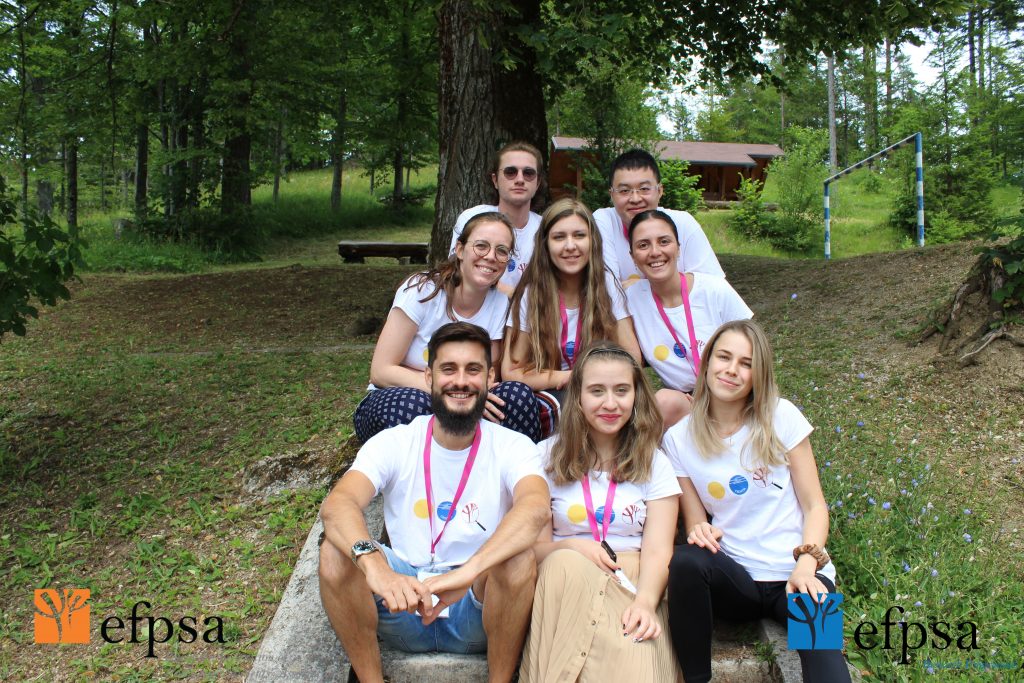
4) Paula Pedić Duić – “Are we smarter without smartphones?”: The curious case of Instagram usage on working memory of young adults
Pragmatic benefits of using mobile phones (MP) such as communication, daily life organization, entertainment, and fast information retrieval are understandable per se and have been scientifically verified over the last two decades, but MP disadvantages are becoming a „hot topic“ in science nowadays. Excessive phone usage, facilitated by the ability to connect to the Internet, especially to different social media, made MPs an unparalleled materialistic good in almost everybody’s lives. However, there are some age differences – young adults use their MPs longer than older participants and their MP usage is concentrated on entertainment and social interactions through specialized apps (Andone et al., 2016). Some of those apps are Facebook, YouTube, and Instagram. The latter is considered to be the fastest- growing social media, and as of April 2017, there were approximately 700 million users on Instagram (Zhan et al, 2018). Empirical studies have linked the frequency of Instagram usage to different psychological problems such as negative mood, body dissatisfaction, depressive symptoms, negative social comparison, loneliness, and lower self-esteem (Brown and Tiggemann, 2016). Some research papers also tried to address the issue of MP disadvantages on the cognitive function of the human brain, but the results have been inconsistent. Therefore, one of the goals of this research is to design a valid working memory measure that will contribute to the main aim of this research: to compare the results on working memory tasks between young adults who will be randomly placed in two different experimental conditions: one in which participants will have Instagram interference (such as getting a DM, notifications on followings and live videos) while doing working memory tasks, and other in which there won’t be any MP usage while performing tasks. Also, since there is an ongoing stereotype about females being more efficient in multitasking, this research will search for gender differences as well. Practical implications of this research are numerous since working memory is crucial to everyday functioning and it assists in numerous tasks salient especially to young adults such as writing essays, studying, reading, and problem-solving.
Student Researchers: Rawan Mohamed, Nika Marković, Sofia Sousa, Vega Jana Bogdanić, Katrine Høi Jensen, Dora Ioana Crisan & Martin Máčel

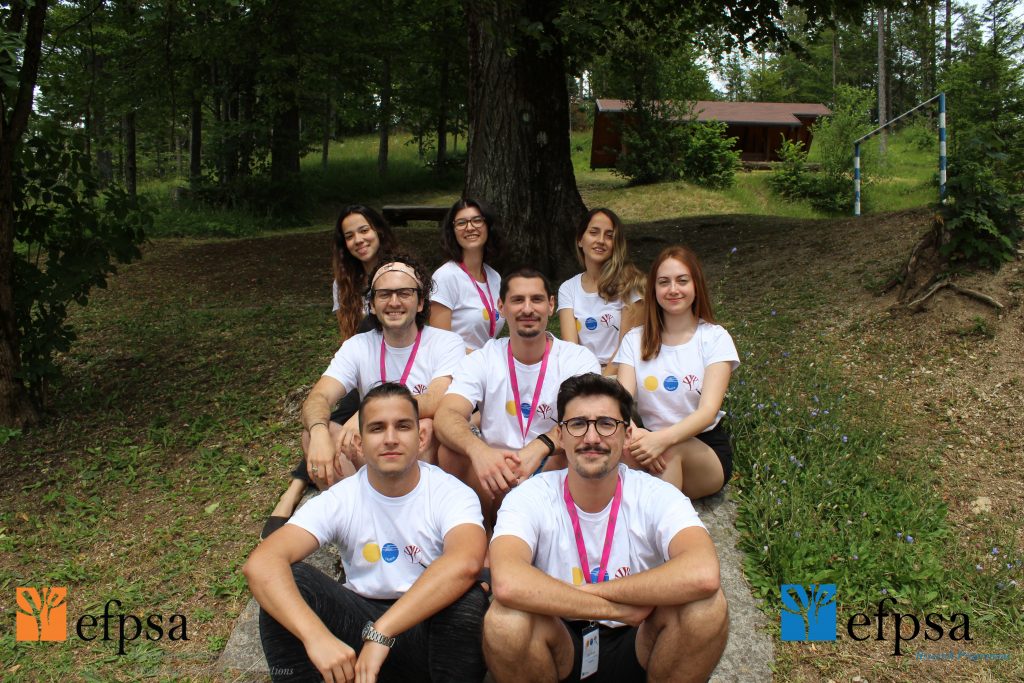
5) Božidar Nikša Tarabić – E-Mental Health 101: Online Mental Health Intervention Program (e-MHIP) development and efficacy assessment
This project is about making literature review, development, and efficacy assessment of self-administered online Mental Health Intervention Program (e-MHIP). Students will have the opportunity to co-create two online (Internet platform) mental health intervention protocols: 1) depression protocol; and 2) anxiety protocol. Each protocol will be created taking into account relevant literature review, translated and available for use in each participants’ native language. e-MHIP will be administered in the form of pilot (closed) and public release editions. Pilot edition will consist of experimental (access to portal and materials) and control group (no access to portal and materials) while public edition – following the pilot edition efficacy assessment – will be available without restriction (no control groups). Each protocol will be a 3-month, 12-modules intervention covering: 1) understanding mental health disorders etiology and symptoms; 2) emotion literacy (understanding and communication emotions); and 3) communication skills development; and 4) self-administered exercises aimed at alleviating some of the depression and anxiety symptoms. These elements will be modified taking into account relevant literature review and students personal and research interests. Two kinds of assessments will be made: 1) overall program efficacy in reducing depression or anxiety symptoms assessment (longitudinal pre, during and after [follow up] assessments); and 2) each module in-detail assessment (perceived quality and everyday usability/applicability of the materials). The aim of the project is the development and efficacy assessment of the self-administered online Mental Health Intervention Program as well as the creation of guidelines for developing and implementing such programs, based on the qualitative data analysis of the user-generated feedback.
Student Researchers: Elif Tokgöz, Milan Antonović, Asena Umay Koçan, Miray Işık Kayacan, Thomas Devlin Donnelly, Uroš Nović & Sezin Ekinci
You can read more about the Research Projects on our social media platforms such as Facebook and Instagram at @efpsarp!

